Pain is not a solitary trouble. It is a signs and symptom, an illness process, a social stress factor, and frequently an obstacle to healing and depend on. When you work in the real world of emergency bays, rehabilitation gyms, aged care homes, or general technique rooms, you feel the consequences of badly taken care of pain the exact same day. Patients spiral into unneeded imaging, prolonged bedrest, anxiousness regarding activity, rest disturbance, and occasionally harmful self-medication. Getting pain right is not just kinder, it alters outcomes. That is the assurance of a robust offer discomfort management course, particularly when it straightens with acknowledged proficiencies such as PUAEme008 Give Discomfort Management.
This overview unboxes that profits most from discomfort monitoring training, what a credible discomfort monitoring accreditation training course must cover, and how to choose between short training courses in pain administration and deeper programs. If you are making a decision whether to invest money and time, utilize the real-world scenarios and compromises listed below to set your priorities.
What "give pain monitoring" indicates in practice
In several health care and emergency contexts, "give discomfort management" explains a defined set of skills: assess discomfort swiftly and accurately, deal with within your extent, keep an eye on the person's feedback, rise when required, and record plainly. The puaeme008 offer discomfort administration device, for instance, focuses on the secure, reliable delivery of analgesia in severe treatment and prehospital settings, under suitable governance. While terminology and extent differ throughout territories, the core is consistent: incorporate clinical reasoning, pharmacology understanding, and interaction to ease suffering without developing new risks.
In technique, that appears like identifying time-critical red flags, identifying nociceptive discomfort from neuropathic attributes, picking analgesia that fits the individual's physiology and context, and utilizing non-pharmacological measures that work. The series matters. When I show triage registered nurses and paramedics, the steepest learning contour is not medication dosages, it is asking the right three concerns quickly and after that staying curious long enough to discover the outlier signs.
Who advantages most from a pain administration course
The individuals that get the most out of pain monitoring courses bring constant client get in touch with and a certain collection of challenges. The curriculum lands differently relying on your environment.
Emergency and immediate treatment nurses typically fulfill patients at peak distress. For them, fast analgesia protocols, knowledge with intranasal and IV alternatives, and review behaviors change throughput and patient security. In my experience, nurses that full discomfort monitoring training for registered nurses decrease door-to-analgesia times by 20 to 40 percent, since they obtain confidence with standing orders and high-yield assessments.
Paramedics and initial responders require a slim, definitive toolkit. Air passage is always king, however pain can derail collaboration with splinting, extrication, or transport. The PUAEme008 supply pain monitoring framework maps well to this globe: signs, contraindications, and dose varieties you can run at 2 a.m. with handwear covers on and alarms sobbing. Training also covers group interaction, since the most usual errors in the area are not pharmacologic, they are control failures.
Physiotherapists, osteopaths, and workout experts have a different issue. They inherit patients after the first wave of intense treatment. Chronic and subacute discomfort comprise a substantial share of their caseload, however numerous educational programs rip off discomfort scientific research and behavior adjustment. Pain management training courses for physio therapists that integrate graded direct exposure, pacing, and reconceptualization provide a method to move fear-avoidance and boost adherence. When therapists can explain main sensitization without lingo, people quit treating their back like glass.
General specialists and health care teams rest at the fulcrum of duplicated sees. They balance analgesia, work certification, task guidance, and mental health and wellness in 15-minute blocks. A certification course suffering administration tuned for health care helps with stepped treatment strategies, deprescribing, and conversations concerning opioids that land without fight. General practitioners who develop their technique often see fewer unintended follow-ups and less polypharmacy over six months.
Aged care and palliative care specialists encounter under-recognition greater than overtreatment. Pain in dementia and multimorbidity hides in agitation, rejection resources for emergency pain management to mobilise, or falls. Discomfort monitoring training programs that cover empirical discomfort scales, equianalgesic conversions, and non-oral courses change the daily quality of life for citizens. Tiny victories matter right here: convenience with transdermal and subcutaneous choices, mouth treatment, and rest routines.
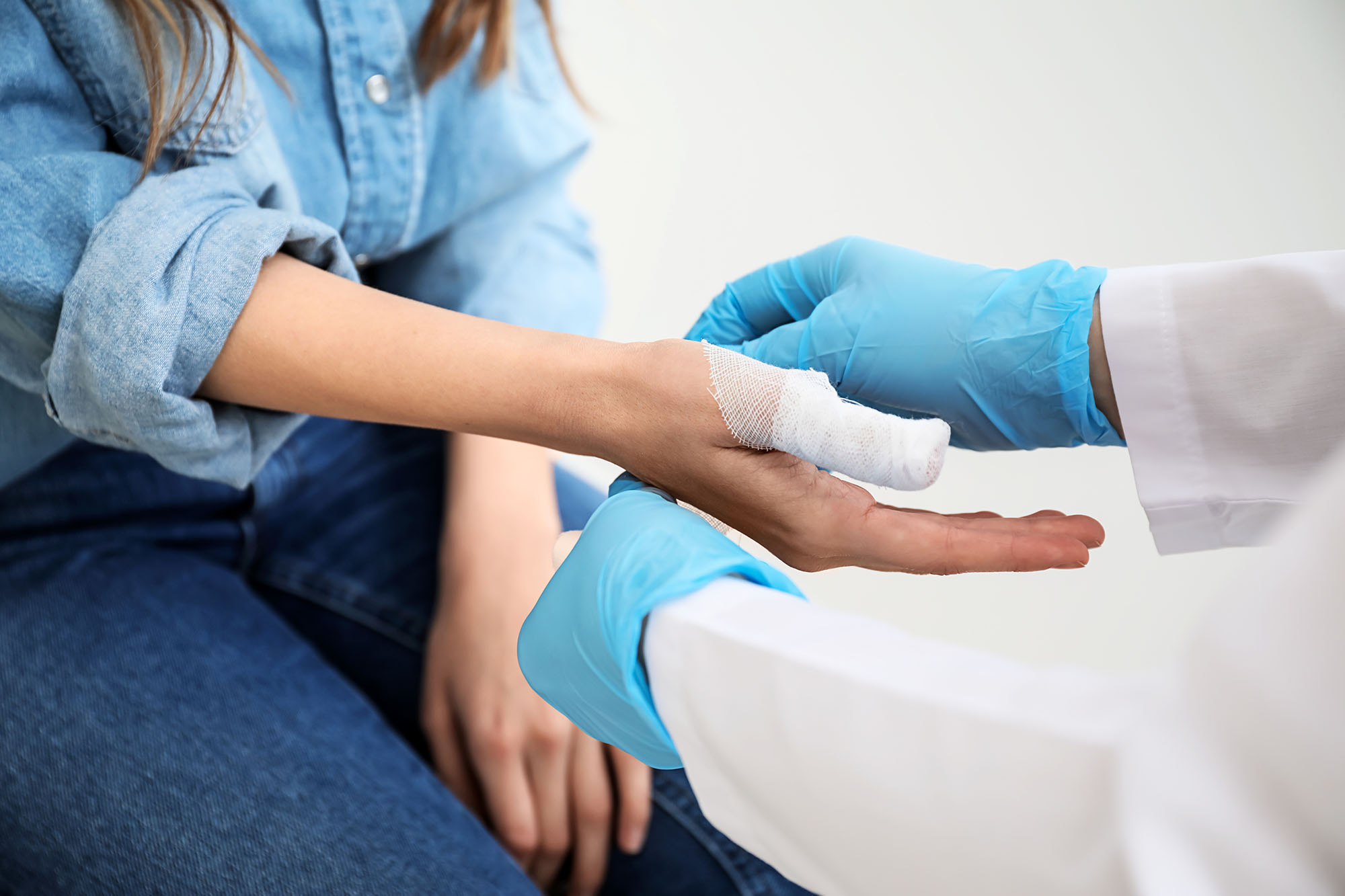
Allied mental wellness clinicians treating trauma, depression, and anxiety meet pain daily. They are not prescribers, yet they can shift outcomes by addressing catastrophizing, sleep, and activity patterns. Short programs suffering monitoring with a cognitive-behavioral and acceptance-based lens broaden their tool kit and reinforce partnership with clinical colleagues.
If your function converges any one of these facts, a structured discomfort administration course will certainly repay quickly. The more you rely on quick choices under unpredictability, the more you gain from a clear psychological design and a tiny collection of trusted tools.
What a strong pain monitoring training course includes
Pain monitoring extends physiology, pharmacology, psychology, and interaction. Excellent programs cover enough of each to produce constant, safe practice.
Foundations of discomfort scientific research. You need a working understanding of nociception, inflection, and central sensitization. Not a book phase, just enough to understand why a person with a healed disc lump still hurts, or why an ankle sprain is worthy of ice, compression, and early motion as opposed to bedrest. When medical professionals see pain as a protective system as opposed to a damage meter, their advice changes.
Assessment that respects red flags and context. Numerous programs instruct numeric ranking ranges and leave it there. That is insufficient. You want functional manuscripts for exploring discomfort quality, feature, and definition, plus a short list of warnings you will certainly not miss out on. The effective step is linking assessment to action. If a client has nerve root indications plus dynamic weakness, quick imaging and recommendation issue. If a person has wide inflammation, inadequate sleep, and reduced state of mind, the following step is not an MRI, it is a conversation and a plan.
Pharmacology with real dosing and side-effect administration. Discomfort administration accreditation must cover dose varieties, routes, start times, and just how to reduce nausea, irregular bowel movements, and ecstasy. It must deal with usual misconceptions, like the idea that more powerful opioids always indicate far better alleviation, or that NSAIDs are benign in every older grownup. Prehospital programs must highlight intranasal fentanyl and methoxyflurane where in-scope, plus ketamine titration procedures for extreme injury when permitted. Health care programs should instruct multimodal programs that avoid dosage creep.

Non-pharmacological techniques that individuals in fact use. Clients keep in mind the straightforward things that work. Positioning, splinting, ice or heat with timing advice, topical representatives, breathing techniques, and graded activity requirement to be shown with the same seriousness as medications. The best discomfort monitoring training for nurses, physio therapists, and allied specialists consists of online presentations and case debriefs that show what to do in a busy shift.
Communication that resets expectations. Lots of repeat attenders are stuck not since the injury is severe, however due to the fact that the tale around it is frightening or punishing. Training that consists of brief scripts for reassurance, return-to-activity strategies, and what-if situations can soothe this. As an example, informing a patient with severe low back pain that the spine is durable, many episodes resolve within days to weeks, and early walking is risk-free, is not soft talk. It is evidence-based analgesia that decreases repeat imaging and opioid exposure.
Documentation and administration. Discomfort management is medicolegal territory. Courses must show plain-language documentation that catches baseline, treatment, response, and safety checks. If the training course aligns with puaeme008 give discomfort administration, expect components on range of practice, authorisations, and when to call for clinical backup.
Case-based learning and rehearsal. Pain is found out ideal in circumstances that approximate the noise and time stress of genuine job. Excellent programs simulate the uncomfortable part: the member of the family requesting for stronger medications, the client who reports no alleviation five mins after an intranasal spray, the kid that will certainly not allow you touch their arm. Method scripts for those minutes defeat theory every time.
What PUAEme008 Give Discomfort Management adds
The PUAEme008 device prevails in prehospital and emergency situation education. It focuses on safely providing analgesia within defined procedures, reassessing, and turning over easily. It suits paramedics, emergency responders, and emergency division registered nurses operating under standing orders or clinical instructions. If your function includes emergency discomfort monitoring, a course mapped to puaeme008 offers you:
- Clarity on indications, contraindications, and dosage ranges for analgesics in the field, with emphasis on intranasal and breathed in routes where appropriate. A structured strategy to reassessment and acceleration, consisting of when to switch agents or add non-pharmacological measures. Documentation and handover habits that decrease errors throughout shifts of care.
This is a useful credential. If you require a discomfort monitoring certification that shows preparedness for intense care changes or ambulance lineups, a program straightened to PUAEme008 is typically the right choice.
Choosing in between brief courses and accreditation programs
Not everyone needs the very same depth. Think of your goals, your scope, and your constraints.

If you are brand-new to acute treatment or returning after a break, a comprehensive discomfort administration qualification program with assessment and supervised scenarios is worth the moment. You will cover security, dosing, and team effort, and you will certainly make a pain administration qualification that signifies skills to employers.
If you currently practice yet feel gaps around persistent discomfort, choose targeted pain administration training courses that concentrate on biopsychosocial strategies and actions change. Several medical professionals in rehabilitation and medical care gain more from a concentrated certification training course in pain management that covers chronic pain frameworks than from a program heavy on severe pharmacology.
If you have no spare bandwidth, think about brief courses in pain administration that you can complete in half days. The payoff can still be considerable if the web content is sensible and immediately used. Look for programs that offer you two or 3 tools you can try the next change, not a full textbook in slide form.
If your duty extends emergency and ward treatment, mix and match. Begin with emergency discomfort administration training that nails very early analgesia and review. Add a component on consistent pain to support secure discharge strategies and minimize readmissions.
What pain management programs for registered nurses and physio therapists ought to look like
Nursing and physiotherapy duties overlap in shocking ways. Both are close to the person, both manage worry and motion, and both impact adherence.
For nurses, qualified discomfort administration training for registered nurses need to bring fast success: standing orders self-confidence, non-oral routes, delirium avoidance, and the routine of reassessment at foreseeable periods. Nurses drive analgesia timing. If a ward registered nurse can forecast when a client's shoulder will certainly harm during physio and pre-empt it with the ideal representative and remainder positioning, rehab stays accelerate.
For physiotherapists, discomfort management courses for physio therapists should offer structured exposure planning, pacing tools, and cueing techniques for movement without flares. Educate the discomfort science simply sufficient to transform behavior. Then offer layouts for rated strolling, sleep retraining, and flare plans, plus a recommendation map for when pain suggests severe pathology or requires medical coordination.
Both disciplines take advantage of shared language. When registered nurses and physios use the very same discomfort ranges, specify flare-ups similarly, and settle on step-up analgesia, patients hear one strategy and follow it.
Practical indicators that a training course is worth your time
When you are selecting amongst programs, look past the sales brochure wording and ask pointed inquiries. Good discomfort management training programs share provide pain management course a few traits:
- Content maps to your range of practice, with clear limits and escalation paths. You must not be shown to suggest outside your authority, or left without a prepare for when your first-line fails. Assessment needs presentation, not simply multiple-choice recall. Scenarios, role-play, and situation write-ups disclose whether the learning will certainly stick under pressure. The educational program blends pharmacological and non-pharmacological methods. If it is meds-only or philosophy-heavy, you will certainly have a hard time to use it in an active shift. Instructors reveal area experience. You desire teachers that can define the time their strategy failed and what they altered following time. Post-course sources exist, such as quick-reference cards, application graphes that fit in your pocket, and refreshers or audits at 6 to 12 months.
Those criteria map to better technique change. A pain management certificate training course that satisfies them will make you much safer and much faster without pushing you beyond your lawful scope.
Real-world situations where training modifications outcomes
A five-year-old with a lower arm fracture. She is frightened, protecting, and declines an IV. A registered nurse learnt emergency pain management makes use of intranasal fentanyl, protects moderate sedation with disturbance and adult training, and obtains imaging without restraint. Splinting occurs calmly. Radiation and ED time drop, and the family leaves applauding the treatment as opposed to the lollipop.
A 74-year-old in an aged treatment facility with new frustration and a recent fall. Rather than enhancing antipsychotics, a qualified RN completes an empirical pain range, trial-doses regular paracetamol with a breakthrough timetable, changes to a bowel-friendly strategy, and changes positioning. Frustration boosts, staff injuries decline, and the resident engages with meals again.
A warehouse employee with severe low pain in the back strolls right into medical care. Without training, this go to might end in imaging, opioids, and remainder. With a clinician that finished a discomfort administration certification, the examination centers on reassurance, strolling, topical NSAIDs, and a follow-up strategy with clear flare support. The person returns to work within days rather than weeks.
A physiotherapist handling a patient with knee OA and concern of movement. As opposed to go after pain with methods, the specialist introduces graded exposure, sets action objectives, strengthens the hip, and works together with the general practitioner on topical anti-inflammatories. Pain reduces enough for the client to approve way of life adjustments that outlast the therapy block.
These are not miracles. They are what occurs when core abilities line up with the right decisions at the best time.
Safety, danger, and the opioid question
Any truthful discussion of pain monitoring must address opioids. They are vital in certain setups, especially trauma, perioperative treatment, and some palliative contexts. They are also high-risk. Training needs to educate when opioids are suitable, just how to start reduced and display, and exactly how to focus on non-opioid alternatives initially where proof supports them.
The compromises are functional. In the area, intranasal fentanyl can be more secure and faster than IV morphine while still effective. In health care, a brief program of opioids for extreme acute pain may be reasonable, however just with an exit plan, bowel program, and safeguard. For persistent non-cancer discomfort, lasting opioids seldom defeated a multimodal approach. A thoughtful discomfort monitoring course acknowledges both truths, without ideology.
Ketamine is worthy of mention. When permitted by extent and protocols, low-dose ketamine supplies strong analgesia for serious injury or when opioids are contraindicated. It requires training for dissociation, blood pressure results, and emergence reactions. Utilized well, it can prevent undertreatment. Utilized poorly, it makes complex a scene. Programs straightened with emergency discomfort management must educate it with respect, not as a magic bullet.
The surprise curriculum: time, synergy, and flow
Pain administration is not just regarding what you offer. It has to do with timing and team effort. Departments that do analgesia well share habits: triage starts the discomfort plan, handovers consist of pain trajectory and following dosage timing, and physiotherapy schedules collaborate with tops of relief. Documents supports the following individual. These seem like society, however training can seed them.
One pragmatic idea that sticks from good programs is the "two-touches" regulation. If you provide analgesia, you own the follow-up evaluation within a specified home window, even if the patient moved bays. That solitary routine reduces missed out on discomfort and reveals people that alleviation issues. One more is standardizing a straightforward reassessment range that resides in your pocket. Discomfort ratings are blunt, yet fads are everything.
Cost, time, and credential value
Clinicians frequently weigh price versus time far from work. The varieties vary by area, yet a brief sensible pain monitoring training might run half a day at moderate expense, while a full pain administration qualification course with assessment can span 2 days and set you back even more. If your company compensates continuing education and learning, a certification assists validate the invest. If you pay directly, select programs where the understanding modifications your next shift. That is the real ROI.
For those targeting duties that need recorded proficiency, such as rescue solutions or ED onboarding, a pain management certificate lined up with PUAEme008 or another identified unit may be non-negotiable. For allied wellness exclusive technique, the value hinges on outcomes and person experience as opposed to a details code on your return to. In any case, the marketplace prefers clinicians that decrease pain safely, interact comfortably, and prevent unnecessary escalation.
Signals that you prepare to enroll
You must take into consideration a supply discomfort monitoring training course if any of these feeling familiar. You prevent particular people due to the fact that discomfort conversations spiral. You are not sure which analgesic to choose when NSAIDs are risky. You rely on 1 or 2 agents by routine instead of by fit. Your department's door-to-analgesia time discourages both you and your clients. You intend to assist consistent discomfort people move once again but really feel light on functional scripts. You have had a close to miss out on with over-sedation or a missed warning and desire guardrails.
Training does not remove uncertainty. It offers you patterns that decrease it. After an excellent course, expect to have fewer alternatives in your head, not more. That quality aids under pressure.
How to take advantage of the training you choose
Before the program, note three scenarios that regularly trip you up and bring them to class. During sessions, method aloud, not only in your head. Role-play really feels uncomfortable, which is why it functions. Afterward, alter one practice at a time. As an example, take on intranasal analgesia for suitable instances and determine exactly how usually it cuts time to relief. Or script your back-pain talk and utilize it for 2 weeks. Little, measured changes stick.
If your team can go to with each other, do it. Shared language and procedures transform private abilities into department flow. Follow with a quick huddle a month later to contrast what stuck and what requires adjustment.
Final thoughts
A supply pain management training course is not simply a certificate on a wall surface. It is a set of choices you will make in crowded spaces and peaceful homes, with individuals who trust you to aid. Whether you choose a focused discomfort monitoring certification for emergency technique, broader discomfort administration training for nurses, or discomfort management courses for physiotherapists that grow your rehab technique, the goal coincides: eliminate experiencing judgment and care.
Look for programs that integrate science with practice, respect your range, and outfit you for the messy middle of the real world. If they map to recognised proficiencies like puaeme008 provide discomfort administration and leave you with tools you will certainly utilize tomorrow, they are worth your time. The people that shuffle in grimacing, or wake in the evening anxious regarding moving, will certainly really feel the difference. Therefore will you.